Workflows: Logic That Moves with Your Business
Festi workflows are where automation comes to life. Instead of asking teams to push buttons or move data between systems, workflows handle what should happen next based on real inputs.
Say a manager approves a time-off request in the HRIS platform. That approval triggers a Slack notification, updates the calendar, and adjusts payroll hours, without anyone needing to switch tabs or copy data.
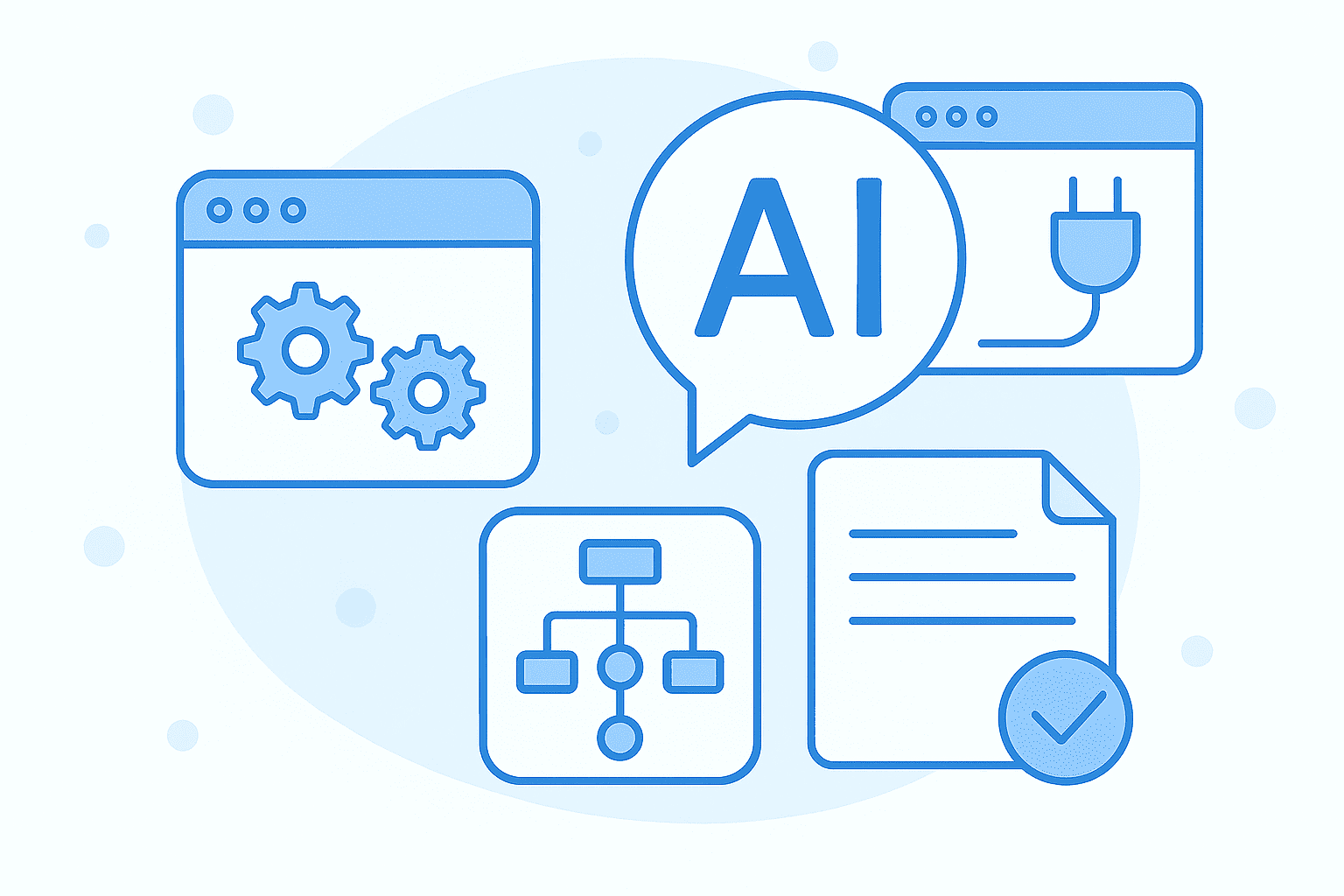
Workflows in Festi combine event triggers, routing logic, user permissions, and optional AI steps. You can build them visually using tools like StageBuilder or define them in code. Either way, they fit inside your actual processes, not outside them.
They’re used across use cases: onboarding sequences, lead routing, lab sample tracking, medical record updates, or report generation. Festi treats them as a native feature, not an integration.
Plugins: Features You Can Assemble Like Infrastructure
Plugins are Festi’s way of making functionality modular. Think of them like components you drop into your internal systems, such as email handling, dashboards, CMS tools, background queues, or user authentication.
Instead of starting from scratch or working with a locked SaaS system, you can install, customize, or build plugins that work with your business logic. Need an admin panel with permission controls? That’s the Jimbo system plugin. Need to schedule jobs or manage background data syncs? Festi’s task queue plugin handles that.
You can also combine plugins to build complete platforms. A healthcare company might use plugins for medical records, file uploads, audit trails, and custom data views to power a secure EHR system.
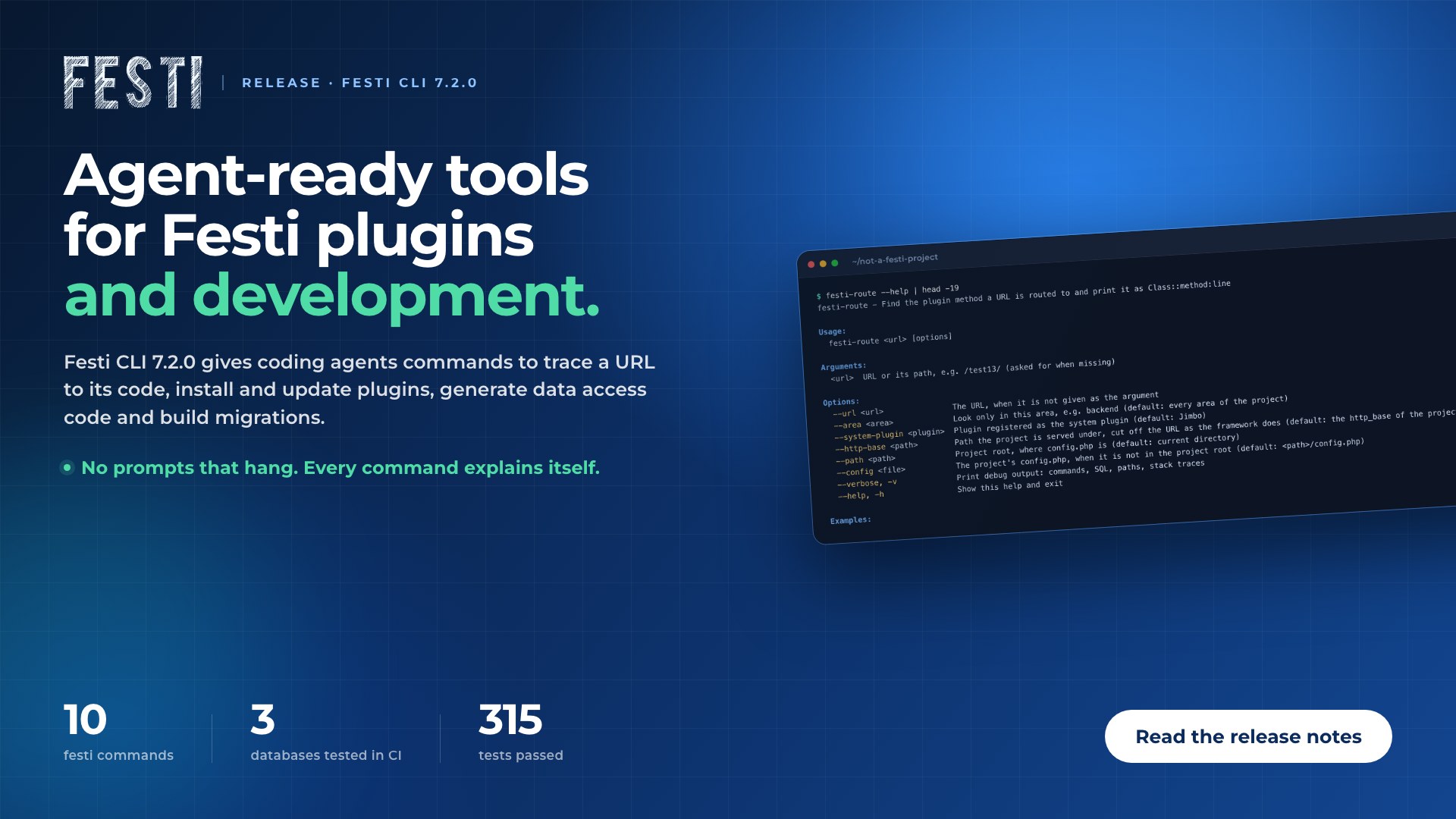
What’s more, developers can build their own plugins and register them with Festi CLI. That’s what makes the ecosystem flexible. You use what you need, and you grow without rewiring the foundation.
DGS: The Operational Brain Behind Your Internal Tools
DGS stands for Data Grid Store. It’s Festi’s data management layer, but it’s not just a database.
Most companies store data across spreadsheets, CRMs, and API feeds. But they struggle to unify it in a way that feels reliable, permissioned, and usable. DGS gives you a way to view, edit, and structure data across sources using one consistent system.
In practice, it looks like a secure, permission-aware grid where you can create forms, modify fields, and connect logic directly into workflows. If you need to work via API, DGS supports that too. It behaves like an editor and an endpoint at once.
One team used DGS to build a vacation and expense manager that included Google Workspace integration, ACL logic, and customizable leave types. The original estimate using traditional frameworks was 30 days. With DGS, they shipped in 7.
DGS supports multiple databases, like MySQL, PostgreSQL, SQL Server, and more, and can connect to external APIs or GraphQL like it’s working with native tables. It powers backends like the Laboratory Information Management System and supports automation tools with clean data.
AI Agents: Domain-Aware Intelligence for Real Tasks
AI Agents in Festi aren’t novelty bots. They’re tools that help your team do real work, faster.
Using GPT and local models like Ollama, Festi AI Agents can summarize support tickets, extract action items from meeting notes, classify records, tag leads, and even generate draft emails. Our AI Agent Toolkit gives you what you need to build task-specific agents that understand your data and follow your rules.
These agents connect with DGS, pull from structured data, and operate inside workflows. They’re used in sales platforms, support systems, HR tools, and development workflows. They don’t replace people, they remove the tedious steps so people can focus on outcomes.
Unlike many AI tools, these agents are built around your internal context. They don’t guess based on public data. They reason based on the system you’ve built.
How It All Works Together
What makes Festi powerful is that these features aren’t siloed. They compose.
A plugin collects form data, which gets stored in DGS. A workflow routes it. An AI agent classifies the input and drafts a response. Another plugin tracks the status and updates a dashboard. You’re not building disconnected tools. You’re creating a system that adapts as you grow.
That’s how teams move from patchwork software to actual internal platforms. Festi makes it possible to build those systems without the overhead of traditional enterprise software or the limitations of rigid no-code apps.
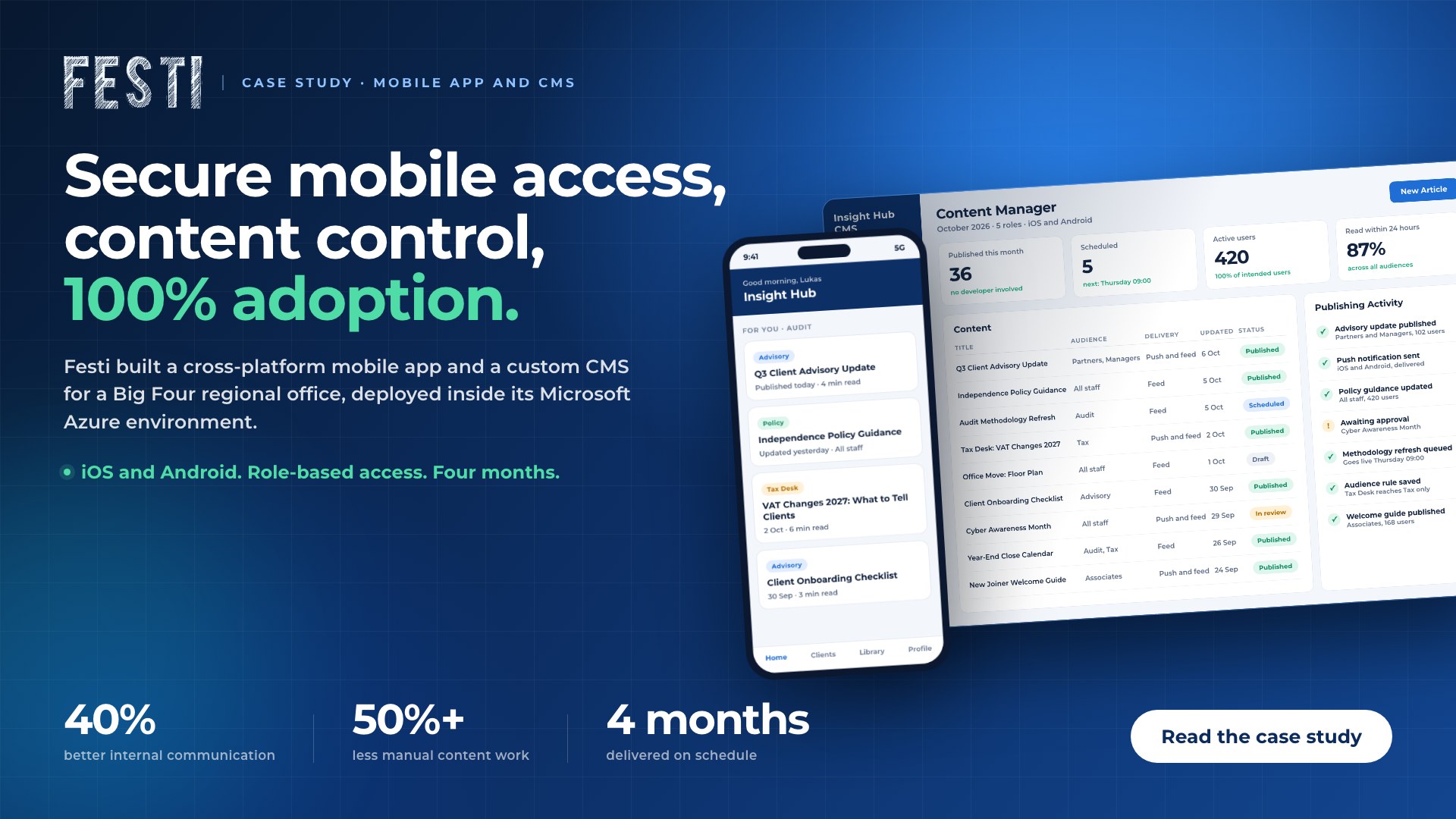
You’ll find Festi in places like education platforms, medical software, HR systems, and even automotive eCommerce. But it always reflects the same principle: build around how your business works, not around a tool’s template.
Ready to See It in Action?
Festi gives you the building blocks to create software that actually matches your operations. With modular plugins, real-time workflows, AI agents, and the DGS engine, you can go beyond automation and actually shape how your business runs.
If you’re ready to build smarter internal tools with fewer limitations, reach out to talk about your next platform. Festi is ready when you are.